Brain Fog and Poor Focus in Working Adults: Nutrition, Sleep, and Supplement Support
by Pharmily · 23 Mar 2026

Have you ever sat at your desk, staring at your screen, unable to concentrate no matter how hard you try? Tasks that once felt simple suddenly take longer, your memory feels unreliable, and by afternoon your mind seems completely drained.
This experience, commonly described as brain fog, is increasingly affecting working adults across all professions.
In today’s demanding work environment, long hours, stress, irregular eating habits, and inadequate sleep combine to strain the brain’s ability to function optimally.
While brain fog can feel alarming, it is often a signal that your body and mind need better support. Understanding the underlying causes is the first step toward restoring clarity, productivity, and overall well-being.
What Is Brain Fog?
Brain fog is not a medical diagnosis but a term used to describe a range of cognitive difficulties that affect how clearly you think and process information.
It often develops gradually, making it difficult to pinpoint when performance started to decline. Many people dismiss it as simple tiredness until it begins interfering with daily tasks.
This condition can affect decision-making, memory, communication, and mental stamina, all of which are critical for workplace success.
Brain fog may also reduce confidence, increase stress, and contribute to frustration when productivity drops despite effort. Recognizing the symptoms early allows you to address the root causes before they worsen.
Common Symptoms
- Difficulty concentrating on tasks
- Forgetfulness or poor short-term memory
- Slower thinking and mental fatigue
- Trouble finding the right words
- Reduced productivity and efficiency
- Feeling mentally “cloudy” or unfocused
Why Working Adults Are Especially Vulnerable

Modern work environments place continuous demands on attention, energy, and emotional resilience.
Unlike physical fatigue, mental exhaustion is less visible but equally debilitating. Several lifestyle and occupational factors combine to create the perfect conditions for brain fog.
Understanding these contributors helps you target the most effective solutions rather than relying on quick fixes like excessive caffeine.
Addressing the underlying issues can lead to lasting improvements in focus and performance.
1. Poor Sleep and Sleep Deprivation
Sleep is essential for memory consolidation, emotional regulation, and brain detoxification. During deep sleep, the brain clears metabolic waste products that accumulate during waking hours, helping maintain cognitive sharpness.
Without adequate sleep, these processes are disrupted, leading to reduced alertness and slower thinking.
Common sleep disruptors include:
- Late-night screen use
- Stress and anxiety
- Irregular sleep schedules
- Shift work
- Excess caffeine
- Poor sleep environment
2. Nutritional Gaps and Unhealthy Eating
The brain consumes a large portion of the body’s energy and relies on a steady supply of nutrients to function efficiently.
Skipping meals or relying heavily on processed foods causes fluctuations in blood sugar, which directly affects concentration and mood. Sudden energy crashes often follow high-sugar or refined carbohydrate intake.
Common dietary factors linked to brain fog:
- Skipping breakfast
- High sugar intake
- Refined carbohydrates
- Dehydration
- Low iron levels
- Vitamin deficiencies (especially B vitamins and vitamin D)
- Insufficient healthy fats
3. Chronic Stress and Burnout
Stress activates the body’s fight-or-flight response, releasing hormones like cortisol and adrenaline. While helpful in short bursts, prolonged stress keeps the brain in a heightened state of alertness, which eventually leads to exhaustion.
High cortisol levels are associated with memory problems, poor concentration, and emotional instability.
Workplace pressures such as heavy workloads, job insecurity, and constant connectivity prevent the brain from fully relaxing.
Over time, this can result in burnout, a state of physical and mental depletion that significantly impairs performance.
Managing stress is therefore crucial for restoring focus and preventing long-term health consequences.
4. Sedentary Lifestyle and Digital Overload
Sitting for long periods reduces circulation, including blood flow to the brain, which can contribute to sluggish thinking and fatigue.
Physical inactivity also affects mood, sleep quality, and energy levels, creating a cycle that worsens brain fog. Even individuals who exercise occasionally may still be affected if they remain seated most of the day.
Continuous exposure to screens adds another layer of strain through eye fatigue, information overload, and constant interruptions.
Multitasking and frequent notifications fragment attention, making it difficult to maintain deep focus. Reducing sedentary time and digital distractions can significantly improve mental performance.
Nutrition Strategies to Improve Brain Function
Diet plays a central role in brain health because nutrients influence neurotransmitter production, inflammation, and energy metabolism.
A well-balanced diet supports sustained concentration, stable mood, and resilience to stress. In contrast, poor dietary habits often lead to energy fluctuations and reduced cognitive efficiency.
The following are some of the strategies to improve brain function.
Eat Regular, Balanced Meals
Consuming meals at consistent intervals helps maintain stable blood sugar levels, which are essential for steady mental energy.
When blood sugar drops too low, the brain struggles to function, leading to irritability, confusion, and difficulty concentrating. Conversely, sharp spikes followed by crashes can cause sudden fatigue.
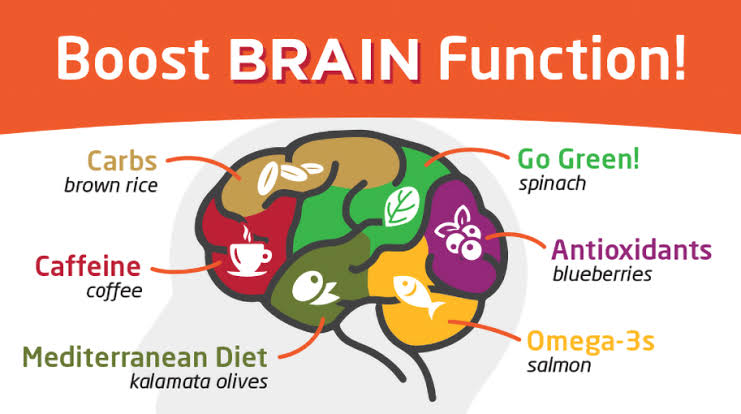
Brain-Boosting Foods to Include
- Omega-3-Rich Foods - Omega-3 fatty acids are structural components of brain cell membranes and play a role in communication between neurons. Adequate intake is associated with improved memory, mood, and cognitive performance.
- Protein Sources - Protein provides amino acids needed to produce neurotransmitters such as dopamine and serotonin, which regulate attention and mood. Insufficient protein intake can contribute to lethargy and poor concentration.
- Leafy Greens - Green vegetables supply folate, antioxidants, and other micronutrients that protect brain cells from oxidative stress. They also support vascular health, ensuring adequate blood flow to the brain. Regular consumption is associated with slower cognitive decline over time.
- Nuts, Seeds, and Fruits - These foods provide healthy fats, vitamins, and antioxidants that combat inflammation and support nerve function. They also make convenient snacks that prevent energy crashes between meals. Choosing whole foods over processed snacks improves both physical and mental health.
Stay Hydrated
Water is essential for maintaining blood volume, nutrient transport, and temperature regulation, all of which influence brain function. Even mild dehydration can reduce attention, memory, and mood stability. Many people mistake dehydration for fatigue or hunger.
Foods and Habits to Reduce
Highly processed foods, excessive sugar, and frequent energy drinks provide short-term stimulation but often lead to crashes and long-term fatigue.
These products can also increase inflammation, which has been linked to cognitive decline. Moderation is key rather than complete elimination.
Sleep Optimization for Better Focus
Quality sleep is one of the most powerful tools for restoring mental clarity and emotional balance.
During sleep, the brain consolidates memories, repairs tissues, and regulates hormones that influence appetite and stress. Without sufficient restorative sleep, cognitive performance inevitably declines.
Practical Sleep Tips
- Maintain a consistent bedtime: Going to bed and waking up at the same time each day helps regulate your body’s internal clock, making it easier to fall asleep and wake up feeling refreshed.
- Limit screen exposure before bed: Bright screens from phones, tablets, and computers suppress melatonin production, which can delay sleep onset and reduce overall sleep quality.
- Create a comfortable sleep environment: A cool, dark, and quiet bedroom supports deeper and more restorative sleep stages throughout the night.
- Avoid caffeine late in the day: Stimulants consumed in the afternoon or evening can interfere with your ability to fall asleep and stay asleep.
- Practice relaxation techniques: Activities such as deep breathing, meditation, or gentle stretching can calm the mind and body, promoting better sleep.
- Be mindful of daytime naps: Short naps can be helpful, but long or late naps may disrupt nighttime sleep and make it harder to fall asleep at bedtime.
Supplements That May Support Mental Clarity

Supplements can help fill nutritional gaps but should complement (not replace) a balanced diet and healthy lifestyle. Always consult a healthcare professional before starting supplements, especially if you have medical conditions or take medications.
Here are some evidence‑based supplement options available from Pharmily Limited Kenya that many adults use to support cognitive function:
Now B‑50 Vitamin B Complex Tablets
Provides a high‑potency blend of B vitamins that play an essential role in energy metabolism, stress response, and nervous system function. B vitamins help convert food into energy and may support mood and mental clarity in stressed individuals.
Vitabiotics NeuroMind Plus 56s
A dual‑action brain support supplement combining Omega‑3 DHA, B vitamins, ginkgo biloba, and phosphatidylserine. This advanced formula helps support memory, concentration, and mental energy — especially for busy professionals.
Cod Liver Oil & Omega‑3 Rich Supplements
Products like Vitahealth Cod Liver Oil and Seven Seas JointCare Active Omega‑3 Capsules available on Pharmily deliver essential Omega‑3 fatty acids that support brain cell structure, mood regulation, and cognitive health.
Magnesium‑Containing Supplements
Magnesium‑rich products such as Better You Magnesium Oil support relaxation, calming the nervous system, and improving sleep quality when combined with good sleep habits, which indirectly helps focus.
Note: Always follow recommended dosage instructions and consult a healthcare provider if unsure.
Lifestyle Changes That Sharpen Focus
Daily habits significantly influence mental performance, often more than occasional interventions. Simple lifestyle adjustments can enhance brain function, reduce fatigue, and improve overall well-being. Consistency is key, as benefits accumulate over time.
Combining physical activity, structured work methods, and environmental improvements creates a supportive framework for sustained productivity. These changes also help prevent recurrence of brain fog.
Move Your Body
Physical activity increases blood flow, oxygen delivery, and the release of mood-enhancing chemicals such as endorphins.
Regular movement also reduces stress and improves sleep quality, indirectly supporting cognitive function. Even brief walks during breaks can refresh mental energy.
Use Structured Work Techniques
Working in focused intervals with scheduled breaks prevents mental exhaustion and maintains efficiency. Techniques such as timed work sessions encourage deep concentration while allowing the brain periodic recovery.
This approach reduces errors and improves overall output.
Get Sunlight Exposure
Natural light helps regulate circadian rhythms and boosts vitamin D production, both of which influence mood and alertness. Spending time outdoors can reduce stress and improve sleep patterns.
Even short periods of daylight exposure during lunch breaks can be beneficial.
Reduce Digital Overload
Constant notifications and multitasking fragment attention and increase cognitive load. Turning off unnecessary alerts and focusing on one task at a time improves efficiency and reduces mental fatigue.
Scheduling specific times for email and messages helps maintain control over workflow.
When to See a Healthcare Professional
While lifestyle factors are common causes of brain fog, persistent or severe symptoms may indicate an underlying medical condition.
Ignoring these signs could delay diagnosis and treatment of potentially serious issues. Professional evaluation provides reassurance and appropriate care.
Conditions such as anemia, thyroid disorders, depression, sleep apnea, and chronic infections can mimic or contribute to cognitive difficulties.
Seek medical advice if symptoms are worsening, interfering with daily functioning, or accompanied by other concerning signs. Early intervention improves outcomes.
Brain fog and poor focus are widespread challenges among working adults, but they are often reversible.
Addressing sleep quality, nutrition, stress, physical activity, and hydration can dramatically improve mental clarity and productivity. Small, consistent changes usually produce better results than drastic short-term efforts.
If symptoms persist despite healthy lifestyle adjustments, professional guidance is essential to rule out underlying conditions.
Prioritizing brain health not only enhances work performance but also improves overall quality of life. With the right support, clear thinking and sustained focus are achievable goals.
FAQ
Q1: What causes brain fog in working adults?
A: Brain fog is caused by factors such as poor sleep, stress, nutritional deficiencies, dehydration, and sedentary lifestyle. Addressing these can improve focus and mental clarity.
Q2: Which foods help improve focus and reduce brain fog?
A: Foods rich in omega-3 fatty acids, leafy greens, nuts, seeds, protein, and antioxidant-rich fruits support brain health and help improve focus.
Q3: Can supplements help with brain fog?
A: Yes. Supplements like omega-3s, B-complex vitamins, magnesium, vitamin D, ginkgo biloba, and rhodiola may improve focus when combined with a healthy lifestyle. Always consult a healthcare professional first.
Q4: How can better sleep reduce brain fog?
A: Adequate sleep allows the brain to repair itself, consolidate memories, and regulate mood. Regular sleep schedules, reduced screen time, and relaxation techniques help restore mental clarity.
Q5: When should I see a doctor for brain fog?
A: Consult a healthcare professional if brain fog persists despite lifestyle improvements or is accompanied by severe fatigue, memory problems, mood changes, or other concerning symptoms.