Top 7 Newborn Skincare Essentials| Best Gentle Baby Products & Skincare Tips
by Pharmily · 26 Sep 2025

Why Newborn Skin Care Is So Important
A baby’s skin is more than just soft and cuddly—it plays a critical role as their first defense against infections and environmental changes. Unlike adult skin, newborn skin is 30% thinner, highly sensitive, and still developing its protective barrier. This means it loses moisture quickly, gets irritated easily, and is more vulnerable to allergens and chemicals.
For these reasons, newborn skincare requires special attention and gentle products. Using the wrong soap or lotion can strip away natural oils, leaving your baby’s skin dry, flaky, or prone to rashes. The goal is simple: keep it clean, moisturized, and protected without exposing it to harsh chemicals.
1. Understanding Baby Skin: Why Extra Care Is Necessary
Newborn skin functions differently from adult skin. Its outer layer, the epidermis, is thinner and produces less natural oil, making it prone to dryness. The skin barrier, which locks in moisture and keeps out harmful bacteria, is also immature. Because of this, using harsh soaps or fragranced lotions can damage the barrier and trigger irritation or allergies.
Extra care means choosing mild, hypoallergenic products, keeping the skin hydrated, and avoiding unnecessary exposure to chemicals, heat, and rough fabrics.
2. Bathing Basics: Gentle Cleansing for Delicate Skin
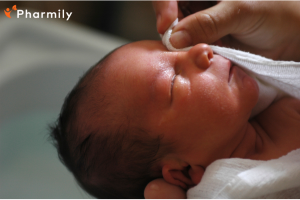
New parents often assume daily baths are necessary, but for newborns, bathing two to three times a week is enough. Too many baths can remove natural oils that keep the skin soft and protected. Always use lukewarm water—not hot—and limit bath time to 5–10 minutes to avoid over-drying.
Choose tear-free, soap-free cleansers that do not contain artificial fragrances or harsh chemicals. These cleansers should maintain the natural skin pH and provide hydration during cleansing. After bathing, gently pat (not rub) the baby’s skin dry with a soft towel.
Recommended Cleansers:
- Dr. Organic Baby Wash with Calendula—This gentle baby wash is made with organic calendula and aloe vera to clean your baby’s skin without causing dryness or irritation. It’s perfect for sensitive skin, as it naturally soothes and calms while washing away dirt.
- Aveeno Baby Daily Care Hair & Body Wash—Aveeno’s Baby Hair & Body Wash is a mild, all-in-one cleanser that’s enriched with natural oat extract to keep your baby’s skin soft and moisturized. It gently cleans without stripping the skin’s natural oils, making it ideal for daily baths.
Avoid bubble baths and antibacterial soaps—they can strip the skin and cause dryness.
3. Moisturizing Matters: Keeping Skin Soft and Hydrated
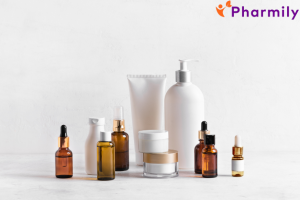
A newborn’s skin loses water faster than adult skin, so moisturizing after every bath is essential. Apply lotion or cream within three minutes of drying the baby to lock in moisture. Look for products that are fragrance-free, hypoallergenic, and enriched with ceramides or natural oils.
Creams and ointments are better than lotions for very dry skin because they have a higher oil content, which provides a stronger barrier against water loss.
Recommened Moisturizers.
- CeraVe Baby Moisturizing Cream—CeraVe Baby Cream is a thick, gentle moisturizer made with ingredients that help protect and repair your baby’s skin barrier. It’s packed with ceramides and hyaluronic acid, which means it keeps the skin soft and hydrated for a long time.
- Epimol B Baby and Junior Cream—Epimol B is a fragrance-free cream that works really well for babies with dry, itchy, or irritated skin. It has soothing ingredients like glycerin and vitamin B3 to calm the skin and keep it moisturized.
- Sebamed Baby Lotion—Sebamed Baby Lotion is a light, fast-absorbing lotion made to match the natural pH of your baby’s skin. It helps keep their skin healthy, balanced, and protected from irritation.
- Dabur Vatika Baby Olive Lotion—This lotion uses natural ingredients like olive oil, aloe vera, and shea butter to deeply nourish your baby’s skin. It’s gentle, non-greasy, and ideal for keeping the skin soft and smooth—especially after a bath or before bedtime.
- Dove Baby Lotion Rich Moisture – Dove Baby Rich Moisture Lotion is a creamy but lightweight option that keeps your baby’s skin moisturized for up to 24 hours.
4. Common Concerns: Managing Eczema, Rashes, and Sensitivity
Newborns can develop various skin conditions, including eczema, heat rashes, or diaper rash. Eczema appears as dry, red, and itchy patches, often on the face or arms. For such conditions, choose products with soothing ingredients like colloidal oatmeal and avoid irritants like synthetic fabrics or harsh detergents.
Best Product for Eczema:
- Dove Baby Derma Care Eczema Wash—Dove Baby Derma Care Eczema Moisturizing Wash is specially formulated for babies with eczema-prone and sensitive skin. This creamy, fragrance-free wash provides immediate and long-lasting relief from dryness and irritation while gently cleansing without stripping the skin’s natural oils.
5. Diaper Care: Preventing Diaper Rash

Diaper rash happens when moisture, friction, and bacteria irritate the baby’s skin. To prevent this:
- Change diapers frequently, especially after bowel movements.
- Clean the diaper area with warm water or alcohol-free wipes.
- Apply a protective barrier cream containing zinc oxide to keep moisture away from the skin.
- Give your baby some diaper-free time every day to let the skin breathe.
Recommended Diaper.
- Pampers Baby Dry Newborn diapers are soft, gentle, and keep your baby dry for hours, making them ideal for both daytime and overnight use. They fit small babies well and include a helpful wetness indicator, so you know exactly when it’s time for a change—no guessing needed.
- Huggies Newborn are designed with extra softness and care in mind, especially for delicate newborn skin. They are specially cut out to protect the umbilical cord area, along with a wetness indicator and strong leak protection. If you're looking for a diaper that’s gentle and thoughtfully designed, this one is a great pick.
- Molfix Newborn offers good absorbency and comfort at a more affordable price, making it a practical choice for parents watching their budget. It’s soft enough for everyday use, fits well, and is easy to find in most stores across Kenya. A solid option if you want both quality and value for your little one.
6. Sun Protection: When and How to Use Sunscreen
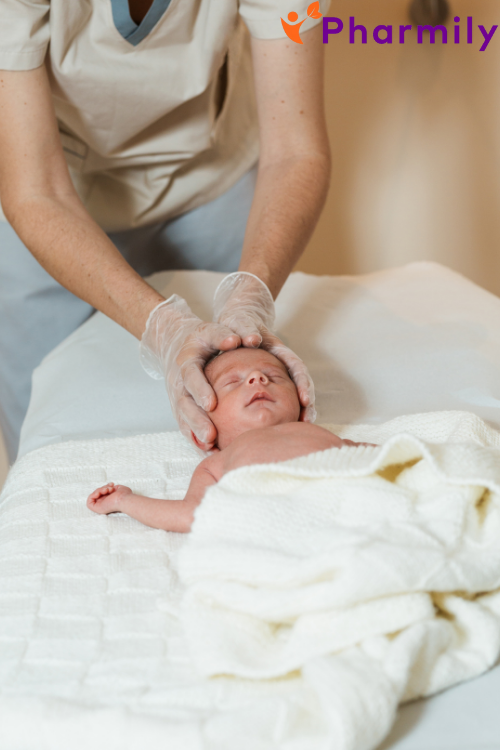
Newborns under six months should never be exposed to direct sunlight. Their skin burns easily, and sunscreen is not recommended at this age. After six months, you can use baby-safe sunscreen whenever the baby is outdoors. Combine this with protective clothing, hats, and shade.
Recommended Sunscreen:
- La Roche-Posay Anthelios Baby Lotion SPF 50+ – Protect your baby’s delicate skin with La Roche-Posay Anthelios Baby Lotion SPF 50+ 50 ml, a specially formulated sunscreen designed for infants and toddlers with sensitive skin.
7. Clothing and Laundry Tips for Sensitive Skin
The clothes your baby wears can affect their skin health. Always choose soft, breathable fabrics like cotton, and avoid wool or synthetic fibers that trap heat. Wash baby clothes separately with mild, fragrance-free detergents to avoid allergic reactions. Rinse thoroughly to remove detergent residue.
FAQs
1. How often should I bathe my newborn?
Two to three times a week is ideal during the first few months. Over-bathing can strip the skin of essential oils, causing dryness.
2. Can I use regular soap or adult lotion on my baby?
No. Regular soaps and lotions contain chemicals and fragrances that can harm delicate skin.
3. When can I start applying sunscreen to my baby?
After six months. Before that, avoid sun exposure and keep your baby in the shade.
4. How do I treat diaper rash quickly?
Change diapers often, use alcohol-free wipes, and apply a zinc oxide-based cream to protect the skin.