Cholera: Causes, Symptoms, Prevention, and Treatment Explained
by Pharmily · 20 Dec 2025
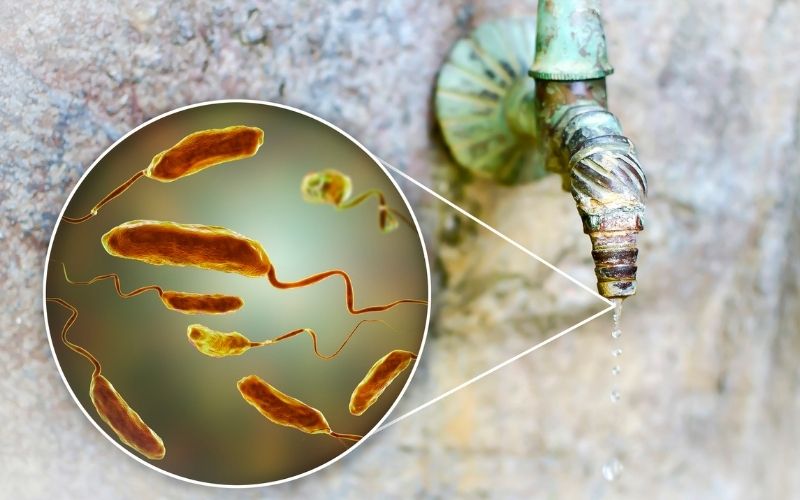
What is cholera?
Cholera is a bacterial infection in your gut that can cause severe, watery diarrhea. It can cause you to quickly lose electrolytes (important minerals that help your body work) and become dehydrated.
Cholera can be fatal if left untreated. Start drinking plenty of fluids if you have diarrhea. Go to the emergency room if you have severe diarrhea, severe vomiting, or signs of dehydration.
Cholera most often spreads in areas without access to clean water or toileting facilities. But you can also get it from eating raw shellfish.
Outbreaks can happen after heavy rainfalls and natural disasters, like earthquakes and hurricanes.
What causes cholera?
Throughout history, there have been cholera outbreaks in almost every part of the world. In recent years, most outbreaks have happened in:
- Asia
- Sub-Saharan Africa
- The Caribbean
How Cholera Spreads
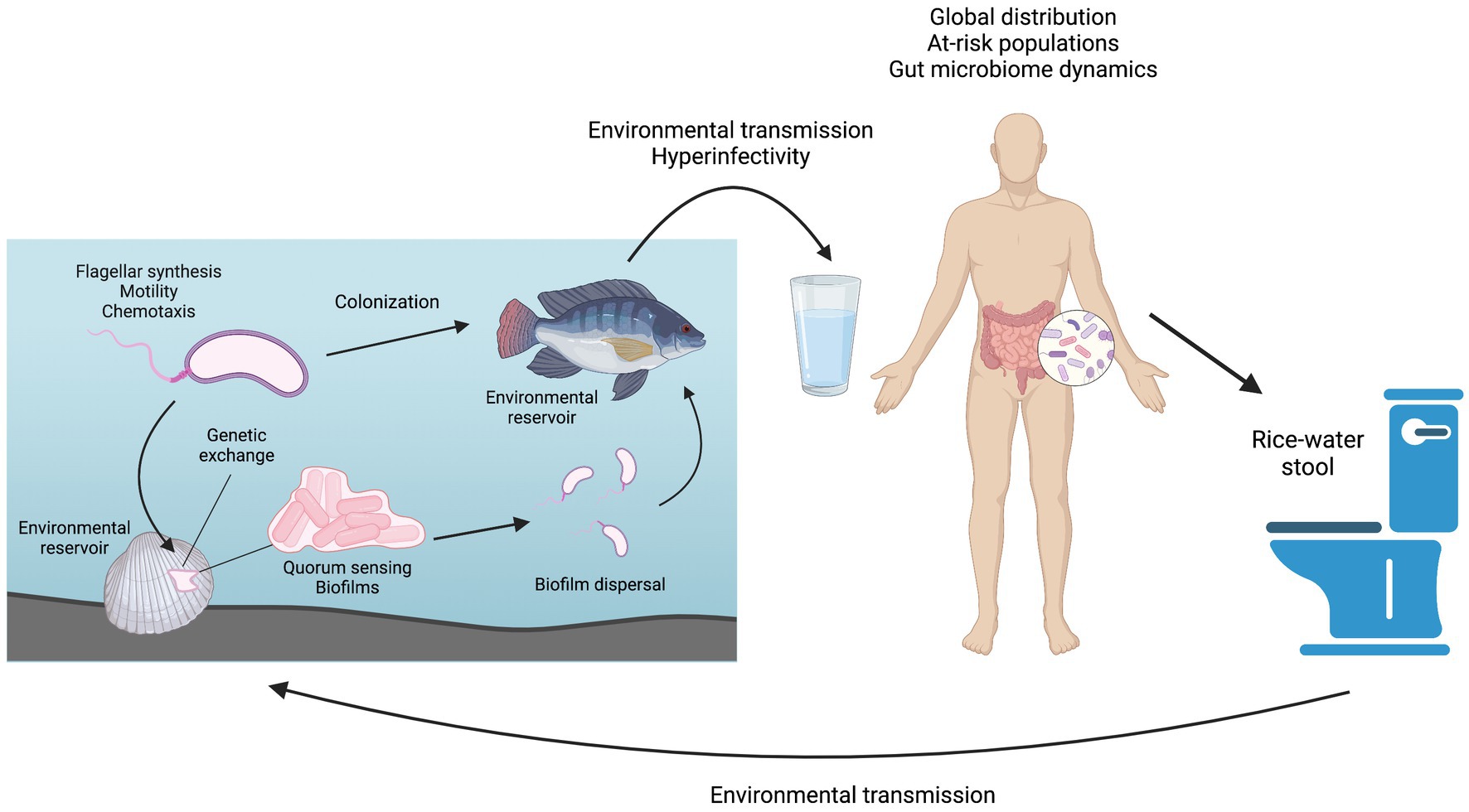
Cholera spreads primarily through the fecal–oral route. Common modes of transmission include:
- Drinking contaminated water
- Eating food washed or prepared with unsafe water
- Consuming raw or undercooked seafood from contaminated sources
- Poor hand hygiene after using the toilet
- Living in overcrowded conditions with inadequate sanitation
Cholera outbreaks are more likely during humanitarian crises, floods, or in areas with disrupted water supplies.
Symptoms
Symptoms can appear anywhere from a few hours to five days after exposure. Many infected people may have mild or no symptoms, but severe cases can be life-threatening.
Common Symptoms
- Sudden onset of watery diarrhoea (often described as “rice-water stools”)
- Vomiting
- Muscle cramps
- Rapid loss of body fluids
Signs of Severe Dehydration
- Extreme thirst
- Dry mouth and skin
- Sunken eyes
- Little or no urination
- Rapid heartbeat
- Low blood pressure
When to see a doctor
The risk of cholera is slight in developed nations. Even in areas where it exists, you're not likely to become infected if you follow food safety recommendations.
Still, cases of cholera occur throughout the world. If you get serious diarrhea after you visit an area with active cholera, see your healthcare professional.
If you have diarrhea, especially bad diarrhea, and think you might have been exposed to cholera, seek treatment right away.
Serious dehydration is a medical emergency that needs urgent care.
Treatment Options
Cholera is highly treatable when addressed promptly.
Oral Rehydration Therapy (ORT)
-
The cornerstone of cholera treatment
- Uses oral rehydration salts (ORS) mixed with clean water
- Replaces lost fluids and electrolytes
Intravenous Fluids
-
Used for severe dehydration
- Administered in healthcare facilities
Antibiotics
-
May be given to reduce the duration and severity of diarrhoea
- Not a substitute for rehydration
Zinc Supplementation
-
Often recommended for children
- Helps reduce the duration and severity of diarrhoea
How is cholera diagnosed?
Healthcare providers diagnose cholera by testing a stool (poop) sample for V. cholerae. Your provider may also get blood tests done.
Prevention and control
Can cholera be prevented?
Drinking water that’s been sanitized and washing your hands with clean water and soap are the best ways to reduce your risk of cholera.
Drink and cook with bottled water if you’re unsure whether the water where you are is safe to consume.
If you live in or are traveling to a place where you’ll be at higher risk for cholera, there are oral vaccines available. They can help reduce your risk of getting sick, but don't eliminate your risk entirely.
On a larger scale, the best way to prevent cholera is for people to have access to clean drinking water and toilet facilities. This requires global humanitarian and public health efforts.
Cholera vaccine
People who travel from the United States to areas affected by cholera can get a cholera vaccine called Vaxchora.
This vaccine is best for people aged between 2 years to 64 years who plan to travel where cholera is being spread or regularly spreads. It is a liquid dose taken by mouth at least 10 days before travel.
Many other countries offer vaccines taken by mouth as well. Contact your healthcare professional or local office of public health for more information about these vaccines.
Even with the vaccine, it's important to take the above safety measures to prevent cholera.
Cholera remains a global health challenge, but it is not unbeatable. With proper knowledge, preventive practices, and timely treatment, the disease can be effectively controlled and lives can be saved.
Education and access to basic resources such as clean water and healthcare remain the strongest tools in the fight against cholera.
FAQs
1. Is cholera contagious from person to person?
Cholera is not spread through casual person-to-person contact such as touching or hugging. It spreads when someone consumes food or water contaminated with the cholera bacteria, usually due to poor sanitation or hygiene practices.
2. How quickly can cholera become life-threatening?
In severe cases, cholera can become life-threatening within a few hours due to rapid dehydration. Prompt treatment with oral rehydration salts or intravenous fluids greatly reduces the risk of complications and death.
3. Can cholera be treated at home?
Mild cases of cholera can often be managed at home using oral rehydration solution (ORS) and safe fluids. However, medical attention is essential if symptoms worsen, vomiting persists, or signs of severe dehydration appear—especially in children and older adults.
4. Can cholera be prevented completely?
Cholera is largely preventable through access to clean drinking water, proper sanitation, good hand hygiene, safe food handling, and vaccination in high-risk areas.